
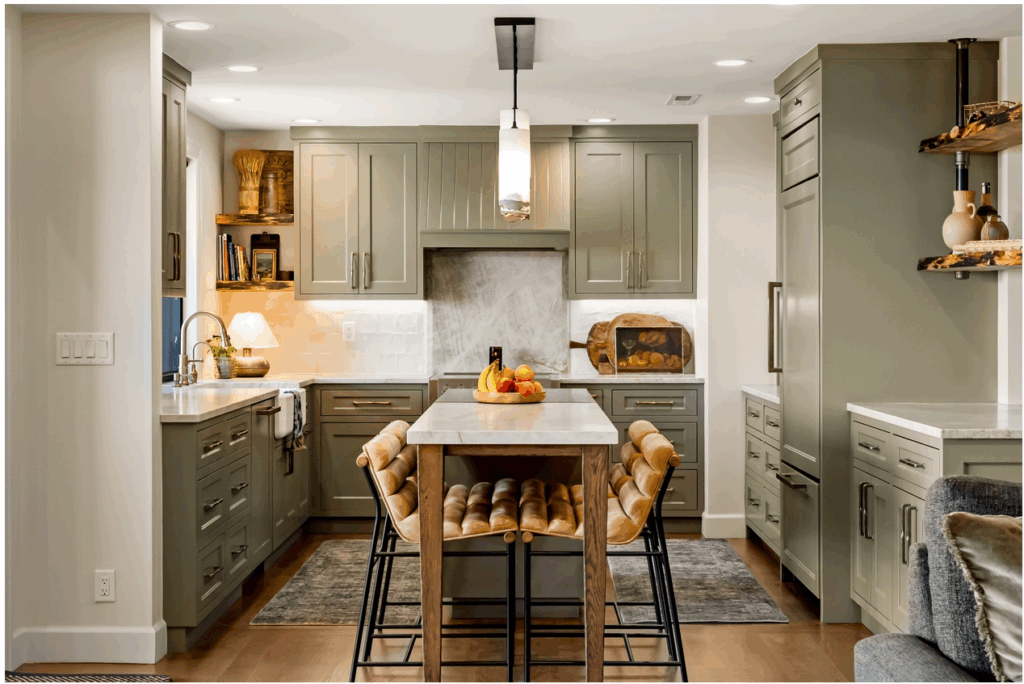
Remodeling a Kitchen Isn’t Always Just About Cabinets and Countertops
So, you’re finally ready to give your kitchen a fresh look. New cabinets, better lighting, maybe even knocking down a wall or upgrading appliances. But before the dust flies, you’ll need to ask a surprisingly important question: Do you need a permit?
The answer depends on what exactly you’re doing. While some home repair or improvements are considered minor and don’t require formal building permits, others—especially those that involve systems like plumbing or electrical—definitely do. And getting the proper permits isn’t just about following the rules. It’s about making sure the work is done safely, legally, and in a way that protects your family’s home value down the line.
What Really Happens During a Kitchen Remodel
A kitchen remodel is rarely just a surface-level update. Even if you’re keeping the footprint of the room the same, you might be replacing flooring, moving appliances, adding outlets, or changing where the sink sits. And as soon as you start touching systems like water lines or the electrical system, local code officials tend to get involved.
A remodel could include replacing a water heater, rerouting existing plumbing, installing new lighting, or tearing out finishes that connect to insulation or venting. In the eyes of the city, those aren’t minor updates—they’re structural, mechanical, or safety-related changes.
On top of that, kitchens are considered habitable space in most jurisdictions, meaning the rules for remodels tend to be stricter than they would be for something like a room garage shed conversion or a simple flooring update elsewhere in the house. Since the kitchen is one of the most-used rooms in a home, code officials often pay closer attention to make sure everything’s up to par.
What Kitchen Remodel Projects Require a Permit? 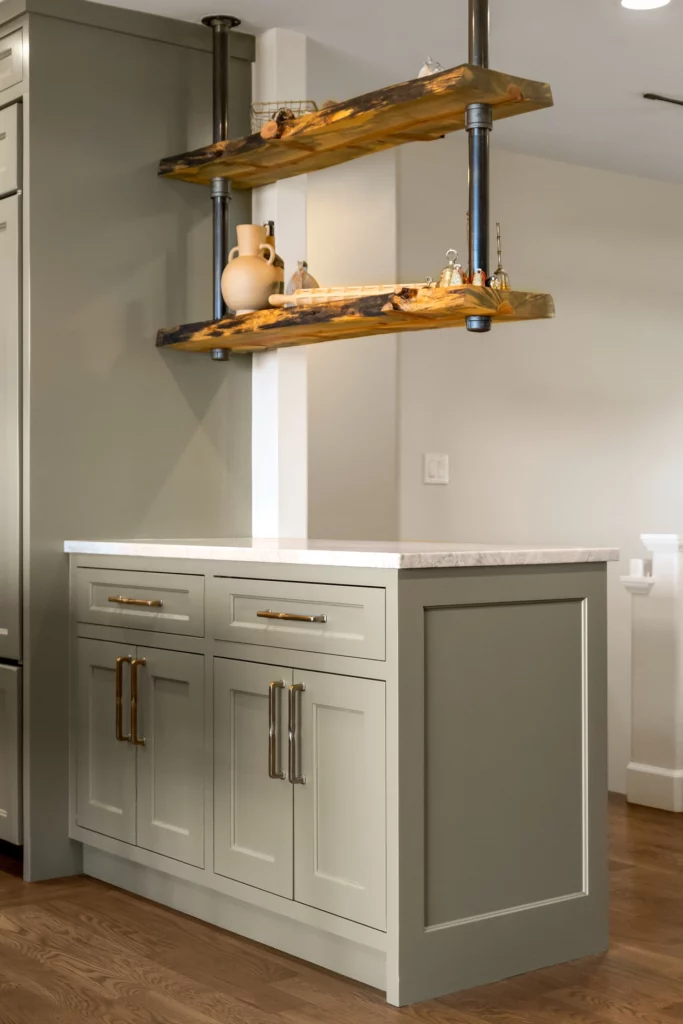
Most kitchen remodels that involve changes to the home’s internal systems or structure will require a permit. These permits ensure your remodel complies with code requirements and that licensed professionals are doing the work when needed.
If you’re installing new plumbing fixtures, such as a new sink in a different spot, or you’re running water lines to a new refrigerator or dishwasher location, a plumbing permit is likely required. Similarly, rewiring the electrical system—even something that seems simple like relocating outlets or switching out lighting—often triggers the need for an electrical permit.
Upgrading or replacing a water heater, which may be connected to your kitchen layout, is another common task that requires permitting in many municipalities. Anything that affects ventilation, gas lines, or electrical safety typically falls under that same umbrella.
Structural work also lands firmly in the “permit required” category. That includes removing or modifying walls (even if they aren’t load-bearing), relocating windows or doors, or replacing subflooring as part of a larger overhaul. If you’re building, demolishing, or reconfiguring part of the kitchen’s framework, the city will almost certainly want a look.
Permits might also be needed if your kitchen project is part of a larger renovation—like adding a bathroom or expanding square footage into an adjacent space.
What Kitchen Projects Might Not Require a Permit?
Not all remodels are created equal. If your kitchen update is mostly cosmetic and doesn’t involve changes to the underlying structure or systems, you might not need a permit at all.
Wall, floor, or ceiling covering updates—like installing new paint, tile, or backsplash—typically fall into the category of minor repairs, and these don’t usually require permits. Same goes for replacing cabinetry or countertops, so long as you’re not moving the plumbing or electrical behind them.
If you’re installing new appliances that connect to existing plumbing and outlets, such as a replacement dishwasher or fridge, permitting is often not required—though it’s still a good idea to check with your local building department to be sure.
Lighting fixtures are a gray area. If you’re just swapping out a pendant light for something more stylish, and you’re not altering wiring or adding circuits, no permit is usually needed. But if you’re adding recessed lights in new locations or installing under-cabinet lighting, that might cross the threshold into permit territory.
The Risks of Skipping Permits
If you’re tempted to skip permits to save time or money, think twice. Unpermitted work can lead to big problems down the line. You may run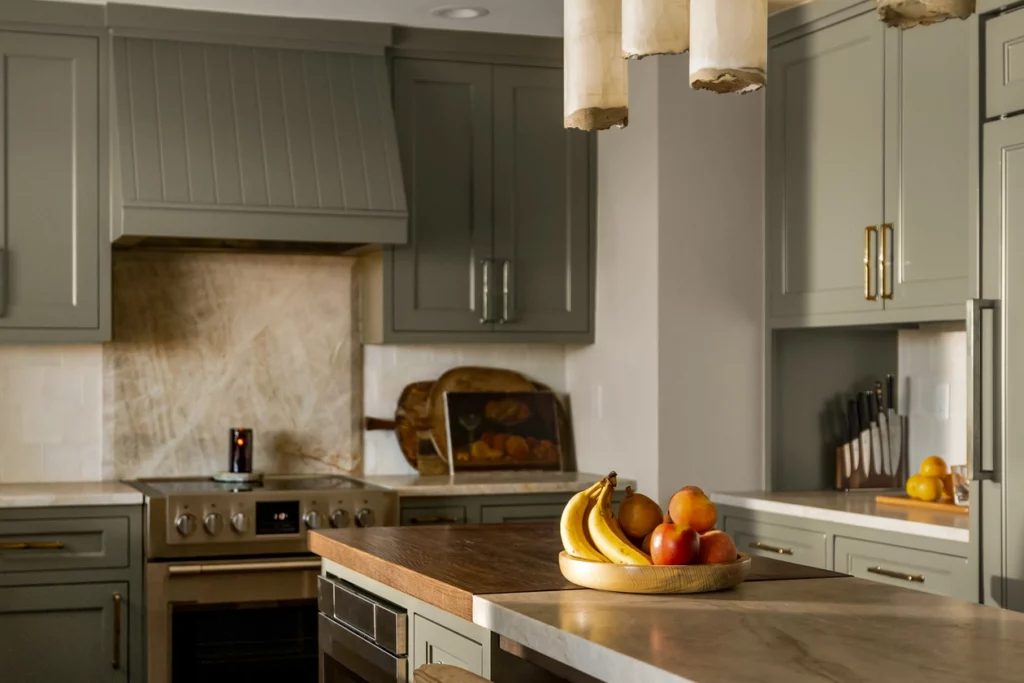 into issues when selling your home, get hit with fines, or even be required to tear out completed work to meet code. And if something goes wrong—say, a hidden plumbing leak causes major damage—your homeowners insurance might not cover it.
Beyond legality, permits include protections for you. They ensure the work is inspected and meets standards for safety, durability, and energy efficiency. For something as central to your home as a kitchen, that peace of mind is worth it.
Do You Need a Permit to Remodel a Kitchen FAQs
- Do I need a permit just to replace my kitchen cabinets?
Usually not. As long as you’re not moving plumbing, electrical, or walls, replacing cabinets is considered a cosmetic upgrade and doesn’t require a permit in most areas.
- What if I’m moving my sink to a new location?
Yes, you’ll likely need a plumbing permit. Moving a sink involves altering water lines and drainage, which must meet local code requirements.
- Can I do electrical work in my kitchen without a permit?
If you’re adding new outlets, lighting, or circuits, a permit is typically required. Swapping out existing fixtures without changing wiring may not need one.
- Who pulls the permits—me or the contractor?
If you’re working with a licensed contractor or design-build firm, they usually handle the permits for you. It’s part of ensuring your project is compliant and professionally managed.
Building It Right from the Start
The bottom line? Whether your kitchen remodel is a weekend refresh or a total transformation, it’s smart to understand when you need permits—and when you don’t. Getting this wrong can delay your project, cost you money, or complicate things in the future.
At Metke Remodeling & Luxury Homes, we know that kitchen remodels are about more than beautiful finishes. They’re about doing the job right—with the right permits, and the right professionals with the right results. Ready to start designing the kitchen that checks every box? Let’s talk.